Bookkeeping vs Accounting: What’s the Difference (and Why You Need Both)?
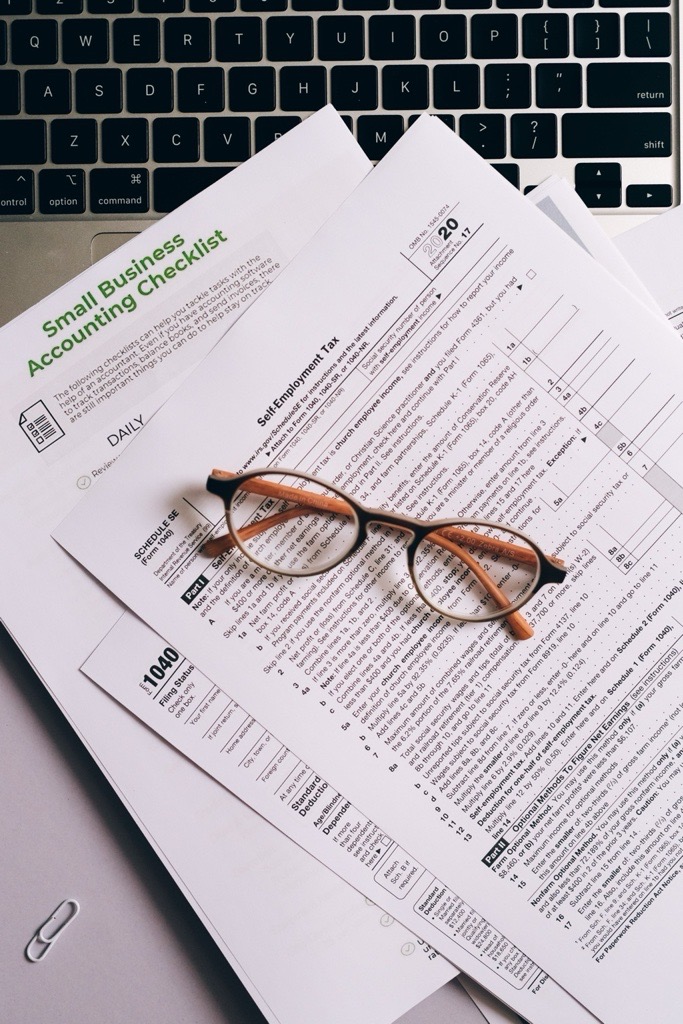
The processes involved in bookkeeping and accounting frequently overlap—after all, bookkeeping is the essential first step in the accounting journey. However, there are fundamental differences between the two responsibilities.
Understanding who does what ensures your business stays organised, tax-efficient, and fully compliant. In this article, we break down the roles of bookkeepers and accountants, and how they work together to support your business.
What do Bookkeepers do?
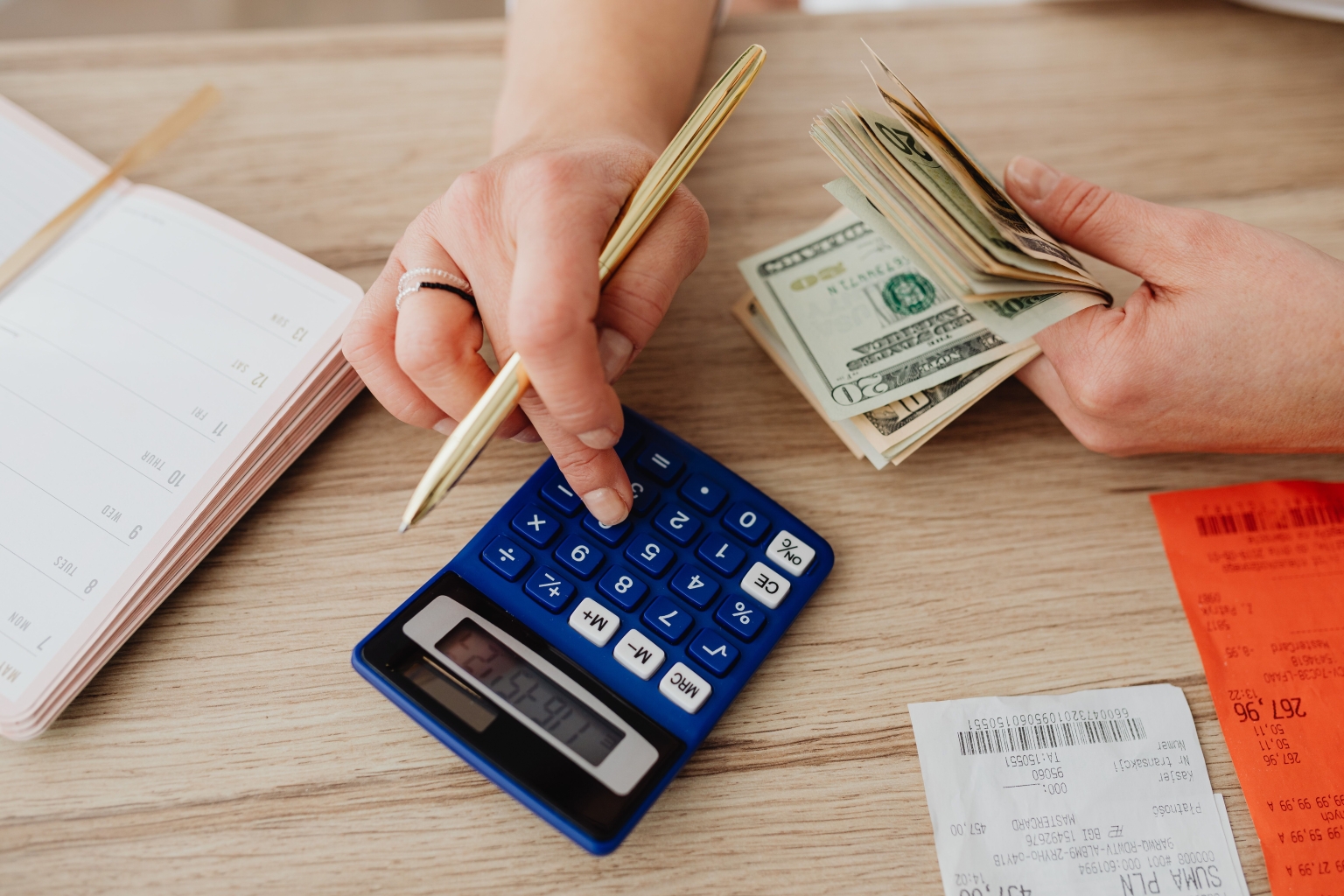
Bookkeeping is the foundation of day-to-day financial management. A bookkeeper is responsible for recording everyday transactions, making sure that every payment received and expense incurred is tracked accurately.
This typically includes:
- Maintaining up-to-date records of sales, purchases, invoices, and receipts.
- Regularly reconciling business bank accounts and credit cards to ensure every penny matches.
- Monitoring ongoing cash flow.
By keeping your records clean and well-organised, a good bookkeeper provides a solid operational baseline. Without accurate bookkeeping, it is impossible to get a clear, reliable picture of how your business is performing.
Running a Micro-Business? You Might Be the Bookkeeper Too!
For many small and micro-business owners, hiring a dedicated bookkeeper isn’t always viable. Instead, you wear every hat in the business—including the bookkeeper’s hat—all while juggling client work, sales, and operations on limited time.
We know that keeping on top of invoices, receipts, and bank reconciliations can feel like a chore after a long workday. However, treating bookkeeping as a regular, ongoing task (rather than an annual or quarterly scramble) saves enormous time, reduces stress, and protects you from costly errors later on.
What do Accountants do?
Accounting takes those day-to-day financial records and turns them into formal reporting, tax planning, and statutory compliance.
At Moore Accountancy, as ICAEW Chartered Accountants, our role goes far beyond basic record-keeping. To hold chartered status, accountants undergo years of rigorous examinations and must complete compulsory Continuing Professional Development (CPD) every year. This ensures our technical expertise and understanding of ever-changing tax regulations are constantly kept up to date.
An accountant uses your financial data to:
- Make essential year-end accounting adjustments and review correct disclosures.
- Format and submit official Year-End Accounts and statutory tax returns.
- Advise on overall tax efficiency and allowable expenses.
- Identify financial trends and highlight potential issues before they become problems.
In short, while bookkeeping records the day-to-day history of your business, an accountant ensures that history is accurately reported, fully compliant, and properly structured for the tax authorities and official registers.
How Bookkeeping and Accounting Work Together at Moore Accountancy
While both roles are vital, they rely heavily on a strict workflow.
For our team at Moore Accountancy to deliver our Year-End Accounts, VAT, and Making Tax Digital (MTD) services effectively, complete day-to-day bookkeeping need to be completed first.
Whether you handle the bookkeeping yourself or use a dedicated bookkeeper, all bank accounts and credit cards should be fully reconciled before we step in. Having this robust data ready allows us to jump straight into technical adjustments, thorough tax reviews, and ensuring your final submissions are completely accurate.
Final Thoughts
Bookkeeping and accounting work hand-in-hand to keep your business financially healthy. Accurate day-to-day records provide the baseline, while a Chartered Accountant ensures you stay compliant, tax-efficient, and protected.
Whether you’re struggling to find time for your daily bookkeeping or need expert guidance for your Year-End tax position, get in touch with the team at Moore Accountancy today.
News
The processes involved in bookkeeping and accounting frequently overlap—after all, [...]
Bookkeeping is a vital part of running any business, but [...]
Discover which business expenses you can claim as a UK sole trader or limited company. This guide explains allowable expenses, HMRC rules, and how to reduce your tax bill legally.
Late Filing Penalties: What You Need to Know (Self-Assessment, VAT, [...]
Taking Money Out of Your Company: The Comprehensive Guide to [...]